First capacity building workshop organised in Namibia as part of the Project ‘SADC Atlantic States’
Walvis Bay, Namibia-February 2-5 2026

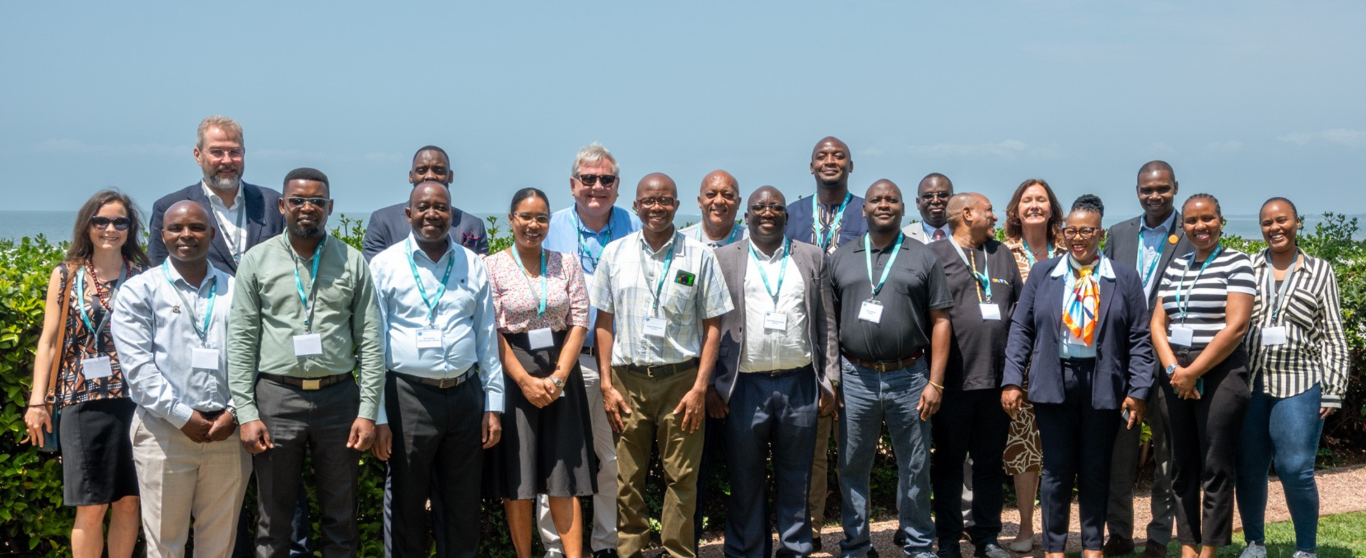
On 23-26 February 2026, the Ministry of Agriculture, Fisheries Water and Land Reform (MAFWLR) of the Republic of Namibia hosted the first national training event under the MCSCC Project ‘Strengthening the SADC MCSCC: Focus on Atlantic Coastal States’ (SADC Atlantic States).After South Africa, Namibia kicked off the Project ‘SADC Atlantic States’, a continuation of the Project ‘SADC Atlantic’, through which Namibia and the other countries of the Benguela Current Convention (BCC) have become drivers of regional cooperation through the Monitoring, Control and Surveillance Coordination Centre (MCSCC) of the Southern African Development Community (SADC).
“Thanks to SADC Atlantic, Namibia has set very high standards, aligning with both regional and global efforts, and has been making valuable contributions to regional policy processes”, said Dr. Stanley Ndara, Chair of the SADC MCSCC.
‘SADC Atlantic States’ is a two-year initiative of the Southern African Development Community (SADC) Monitoring, Control and Surveillance Coordination Centre (MCSCC) which will run from mid-2025 to mid-2027. It is implemented by Stop Illegal Fishing (SIF) and funded by the German Federal Ministry for Economic Cooperation and Development (BMZ) and the European Union via The Deutsche Gesellschaft für Internationale Zusammenarbeit (GIZ), forming part of the GIZ global programme – Sustainable Aquatic Foods – under the Blue Benguela Current Action initiative. The Project is supporting fisheries governance in Angola, Namibia and South Africa and helping to scale-up monitoring, control and surveillance (MCS) tools and training across the SADC region.
This Project will consolidate national capacity for risk assessment of fishing vessels, building national operations procedures (SOPs) which will serve as lessons learnt for a SADC harmonised approach, in line with the objectives of the MCSCC.
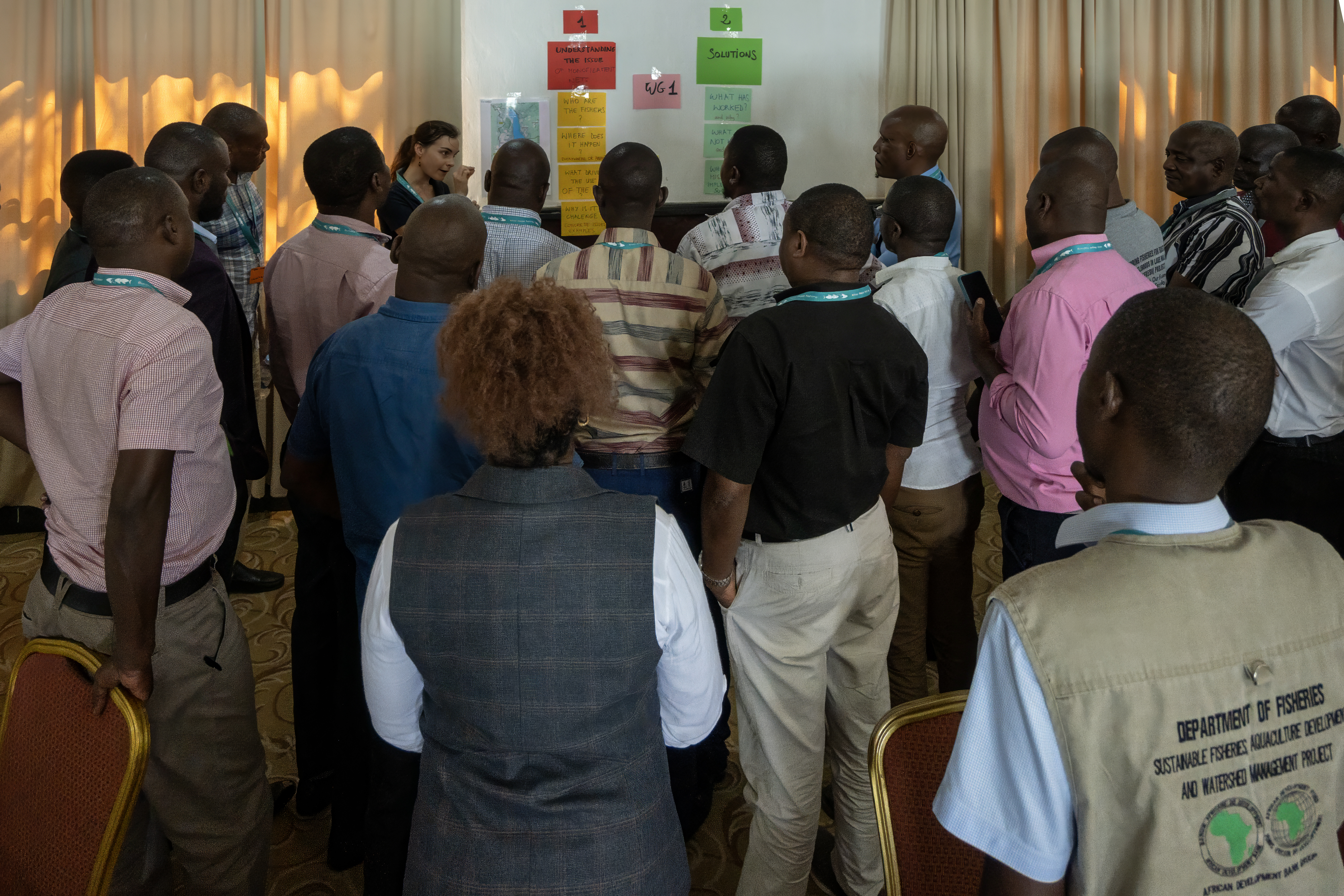
It will also link those risk assessments to smart inspections of fishing vessels – supporting implementation of the Food and Agriculture Organization’s (FAOs) Port State Measures Agreement (PSMA), whilst generally improving inspection standards for coastal, port and flag state responsibilities. To support this, the participants discussed their current practices at every step of inspection, to pave the way towards institutionalising those procedures as SOPs, and understanding the needs and challenges to implement them fully.
In Namibia, MCS officers had also expressed the need to receive training on post-inspections procedures, when violations are detected. The training therefore also focussed on building capacity of MCS officers to conduct investigations and prosecute offenders. This included practical training for evidence collection during an inspection exercise on board a fishing vessel, as well as taking statements and preparing for court.
The training also focussed on building capacity of MCS officers to conduct investigations and prosecute offenders when violations are detected. This included practical training for evidence collection during an inspection exercise on board a fishing vessel, as well as taking statements and preparing for court.
The Project seeks to target the specific needs of each country, whilst contributing to the broader goals of the SADC and the BCC and aligning with GIZ’s efforts to promote sustainable aquatic food systems as well as good and inclusive governance. For this reason, the Project also seeks to strengthen dialogue between small-scale fisheries actors and MCS officers. “We would like to know who our small-scale fishers are in Namibia, and to define them in the law” said Mr. Hafeni Mungungu, Director for Fisheries Law Enforcement at the MAFWLR. As long as the Marine Living Resource Act (MLRA) will not define ‘small-scale fisheries’, those actors are perceived as illegal operators. This workshop highlighted the need to organise sensitisation sessions between both small-scale fishers and MCS officers, to enhance awareness of MCS officers about small-scale fisheries, and to support bilateral dialogue.
In four days of workshop, Namibia’s MCS officers set the frame of SOPs for risk assessments and made initial steps towards the elaboration or SOPs for inspections. Those SOPs will be linked to the national legal framework – reflecting the powers given by the law. Amending the MLRA to reflect today’s context, and to strengthen the powers of the law to combat illegal, unreported and unregulated (IUU) fishing is one of the priorities of Namibia.