MCSCC’s Operational Task Force meets making important sustainability and operational decisions
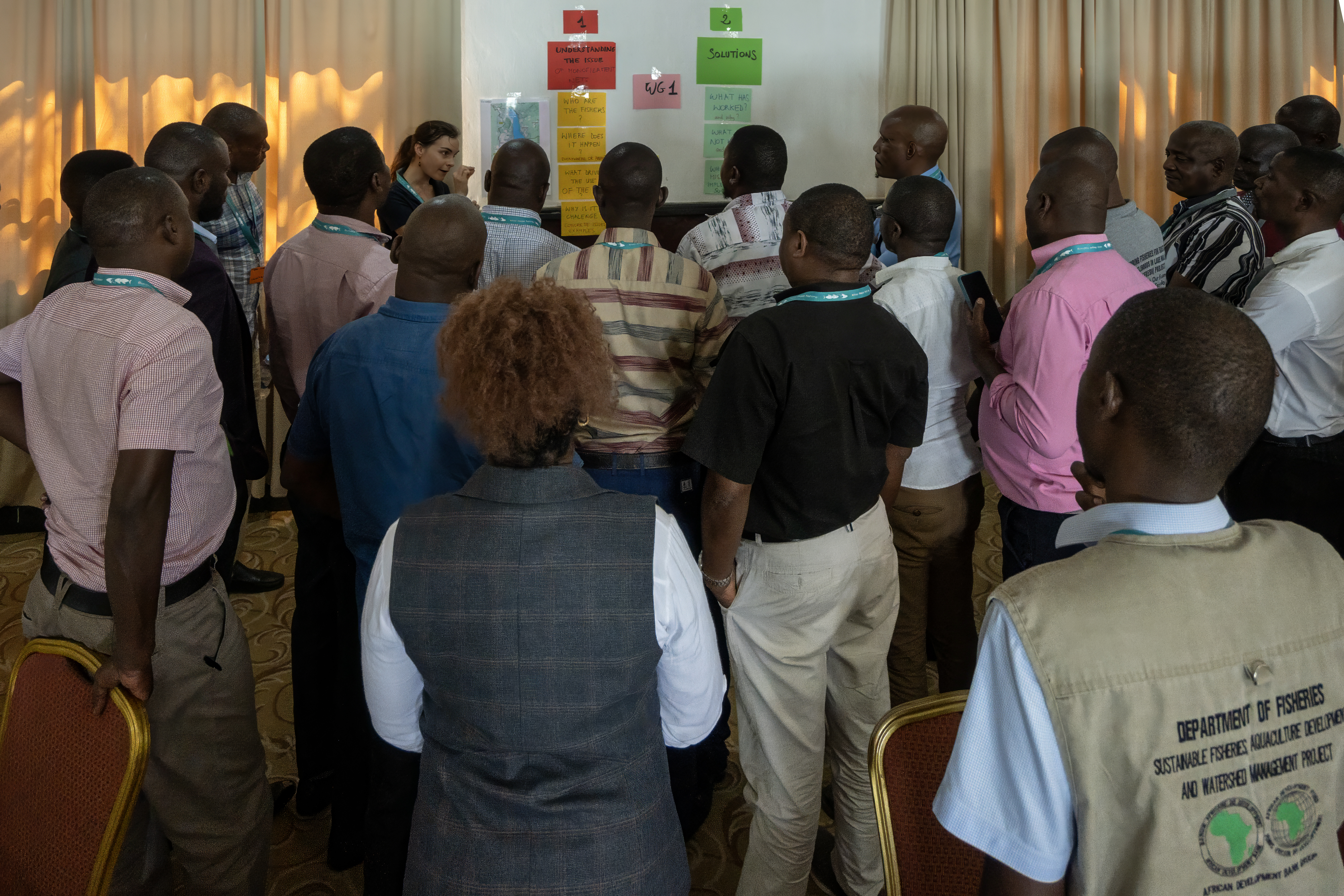
On 13-14 October 2025, the Republic of Mozambique hosted in Maputo the third meeting of the Operational Task Force (OTF) of the Monitoring Control and Surveillance Coordination Centre (MCSCC) of the South African Development Community (SADC). Over two days, the OTF exchanged on how to strengthen regional cooperation through the MCSCC and identified measures to enhance inland and small-scale fisheries engagement in this cooperation. The OTF also reviewed preliminary results of the MCSCC’s sustainability plan and resource mobilisation strategy, including cost estimations and potential sustainability options. Amongst those options is the SADC Regional Register of Fishing Vessels (RRFV), which shall generate revenues from fishing vessels authorised on the RRFV. Following adoption of the RRFV Code by the Joint Meeting of SADC Ministers of Agriculture and Food Security, Fisheries and Aquaculture in Harare, Zimbabwe, on 30 May 2025, the next step for the OTF is now on operationalising the Code, with the objective to start pilot projects in 2026. The outcomes and recommendations from this meeting were then conveyed to the subsequent MCSCC Board of Directors (BoD) meeting, which took place on 16-17 October in Maputo.
When the MCSCC Charter came into force, the OTF was established to provide technical guidance on the operations of the MCSCC and its functions, as set in the Charter. The OTF is the only body of the MCSCC gathering representatives from all State Parties, making it an important governance body of the MCSCC reflecting the voice of each MCSCC State Party in the implementation of regional cooperation against illegal, unreported and unregulated (IUU) fishing.
“It has been a long journey to fulfil the regional commitments made since our Ministers adopted the Protocol on Fisheries, in 2001. This meeting, and the work accomplished so far by the MCSCC OTF, represents a strategic step towards the fulfilment of our regional ambition to fight IUU fishing”, said Felismina Sntia, Director at the National Directorate for Maritime Affairs in her opening remarks.
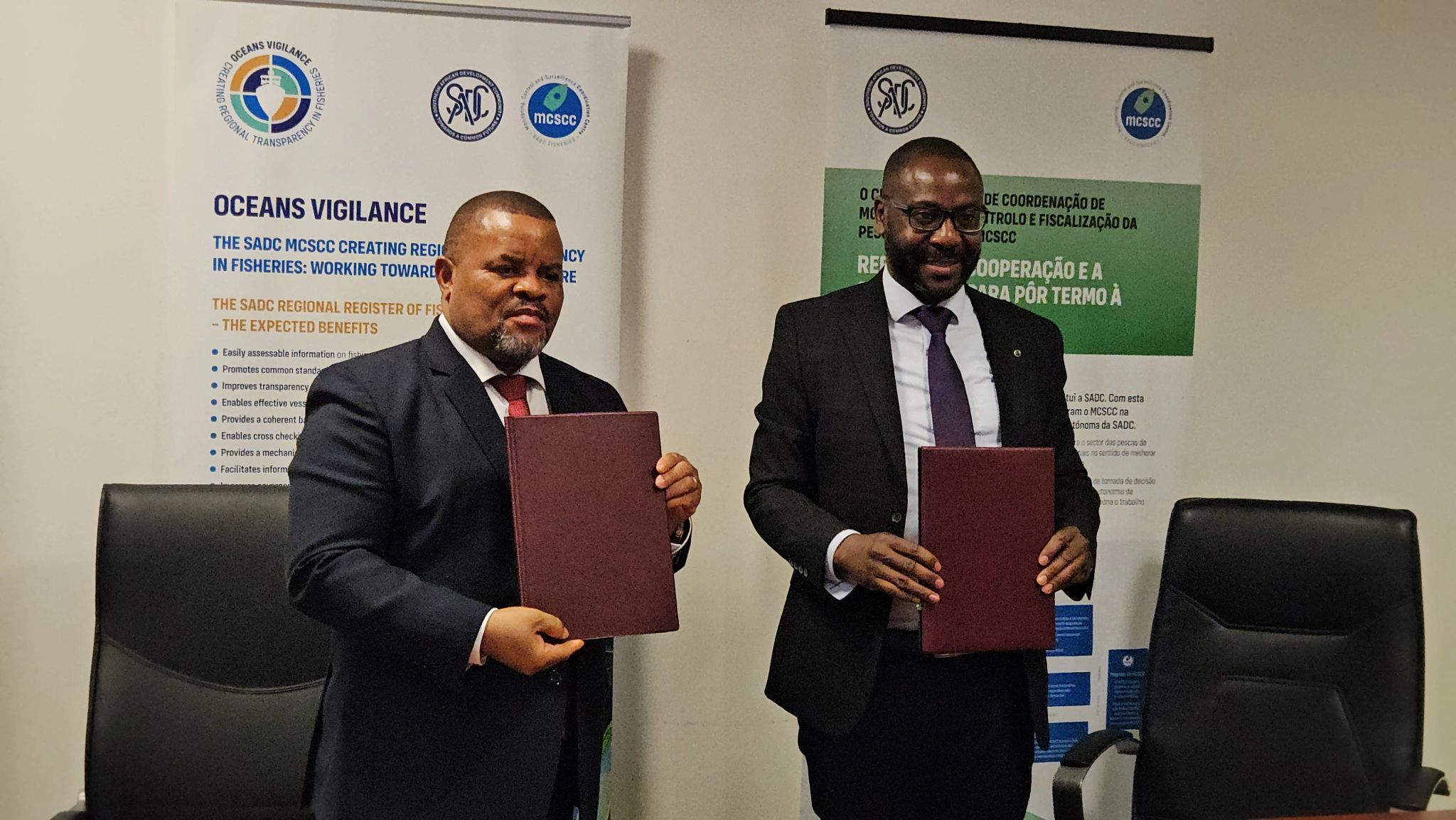
Since its inaugural meeting in December 2023, the OTF and its partners have collectively engaged on technical issues to implement the functions of the MCSCC. One of them: the SADC RRFV was highlighted as a priority, for its benefits to underpin regional cooperation to combat IUU fishing and to support sustainable management of the region’s fisheries, as well as for its potential to contribute to the financial sustainability of the MCSCC. OTF3 decided to prepare sensitization material on the RRFV Code for State Parties, industry and flag States, and to strengthen national engagement to support a proposal for the RRFV fees, with the aim to conduct pilots of the RRFV during 2026.
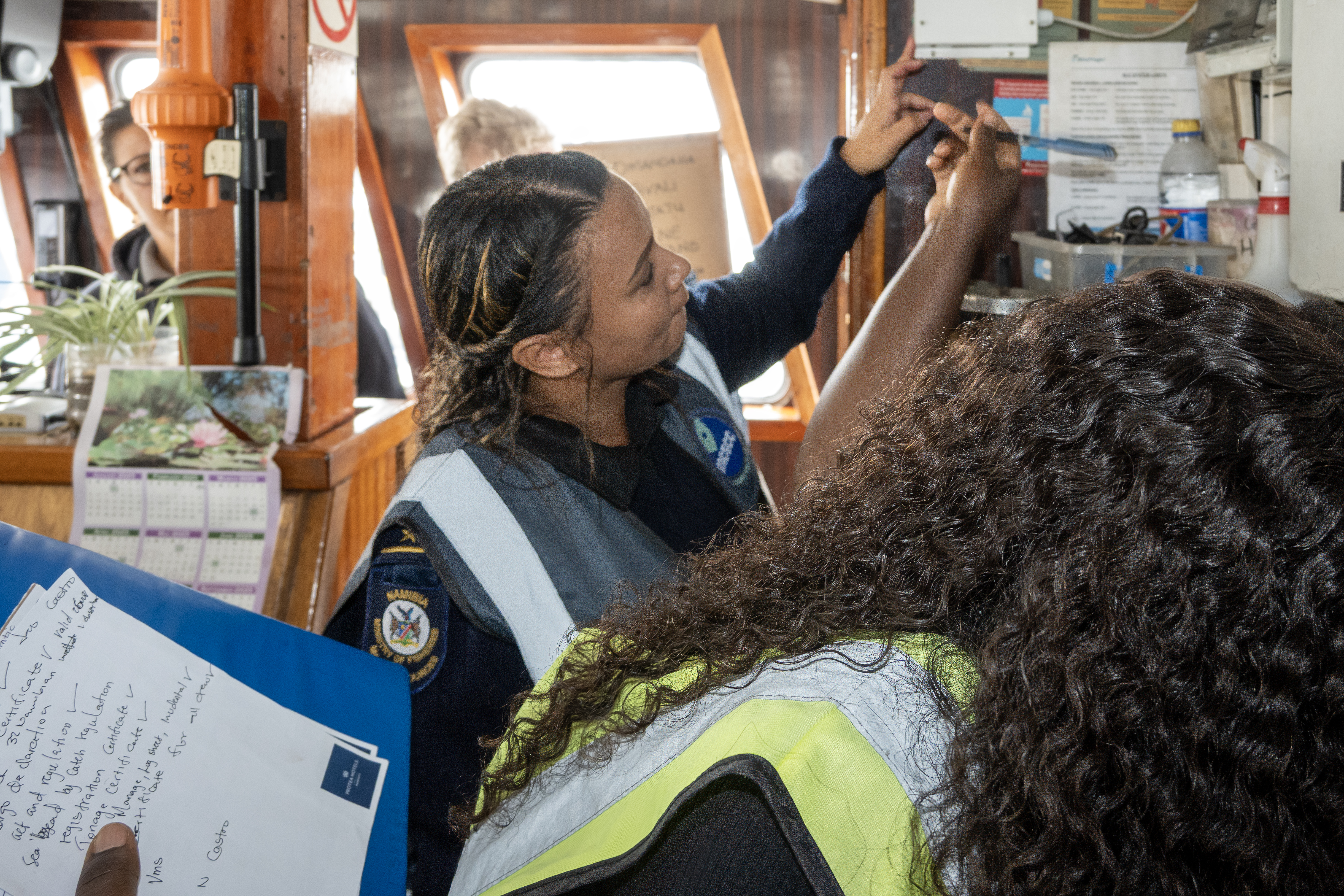
Complementary to this process, the OTF endorsed the methodology to assess risks of fishing vessels for regional use, advancing the objective of the MCSCC to “establish common operational standards and policies for fisheries MCS throughout the SADC region”. This risk assessment tool, tested in all coastal State Parties, had been recommended to the OTF by a regional workshop conducted in September 2025 in Namibia, building on the results of the SADC Atlantic Project.
Whilst the RRFV levy is one relevant option for the MCSCC to generate funds needed for its operations, the third OTF meeting also discussed other potential options to ensure the sustainability of the MCSCC, currently being gathered in a sustainability plan and resource mobilisation plan. The OTF reviewed the preliminary results of this plan, including an estimate of costs needed for the functioning of the MCSCC. The OTF highlighted the need for further engagement to start actively engaging in resource mobilisation, needed for the MCSCC to fulfil its mandate.
“We need to step up the level of commitment to operationalise an MCSCC that serves its State Parties, and that supports national and regional efforts for a sustainable blue economy”, said Dr. Motseki Hlatshwayo, Fisheries Advisor at the SADC Secretariat’s Directorate of Food, Agriculture and Natural Resources (FANR).
The OTF meeting also had the objective to consolidate regional cooperation mechanisms, notably sustained engagement through the MCSCC Communication platform, Basecamp. The OTF identified several measures aimed at increasing such engagement, both from marine and inland fisheries. To support this, the OTF agreed to meet more frequently online and to enhance the visibility of the OTF.
Finally, the OTF also made proposals on strengthening inland and small-scale engagement through the MCSCC, in line with the SADC Protocol on Fisheries. One of the first initiatives of the OTF in that regard will be to build a regional case on the use and trade of monofilament nets, a major threat to the fisheries of all countries in the region, both inland and marine.
The OTF closed with several decisions and commitments for the way forward, including recommendations to the BoD on how to support the progress achieved.
“We have been given the shared mission to strengthen regional cooperation, enhance maritime security, including inland water bodies, and safeguard our resources for sustainable development. The OTF is not just about plans, it is about action together, for a safer and more prosperous SADC region”, said OTF3’s Chair Itai Hilary Tendaupenyu, Chief Aquatic Ecologist at Zimbabwe Parks and Wildlife Management Authority and OTF focal point for Zimbabwe, as he closed the meeting.