Fourth MCSCC Operational Task Force Meeting Strengthens Regional Cooperation and Sustainability Efforts

On 23–24 March 2026, the Republic of South Africa hosted the fourth meeting of the Operational Task Force (OTF) of the Monitoring, Control and Surveillance Coordination Centre (MCSCC) of the Southern African Development Community (SADC) in Johannesburg.
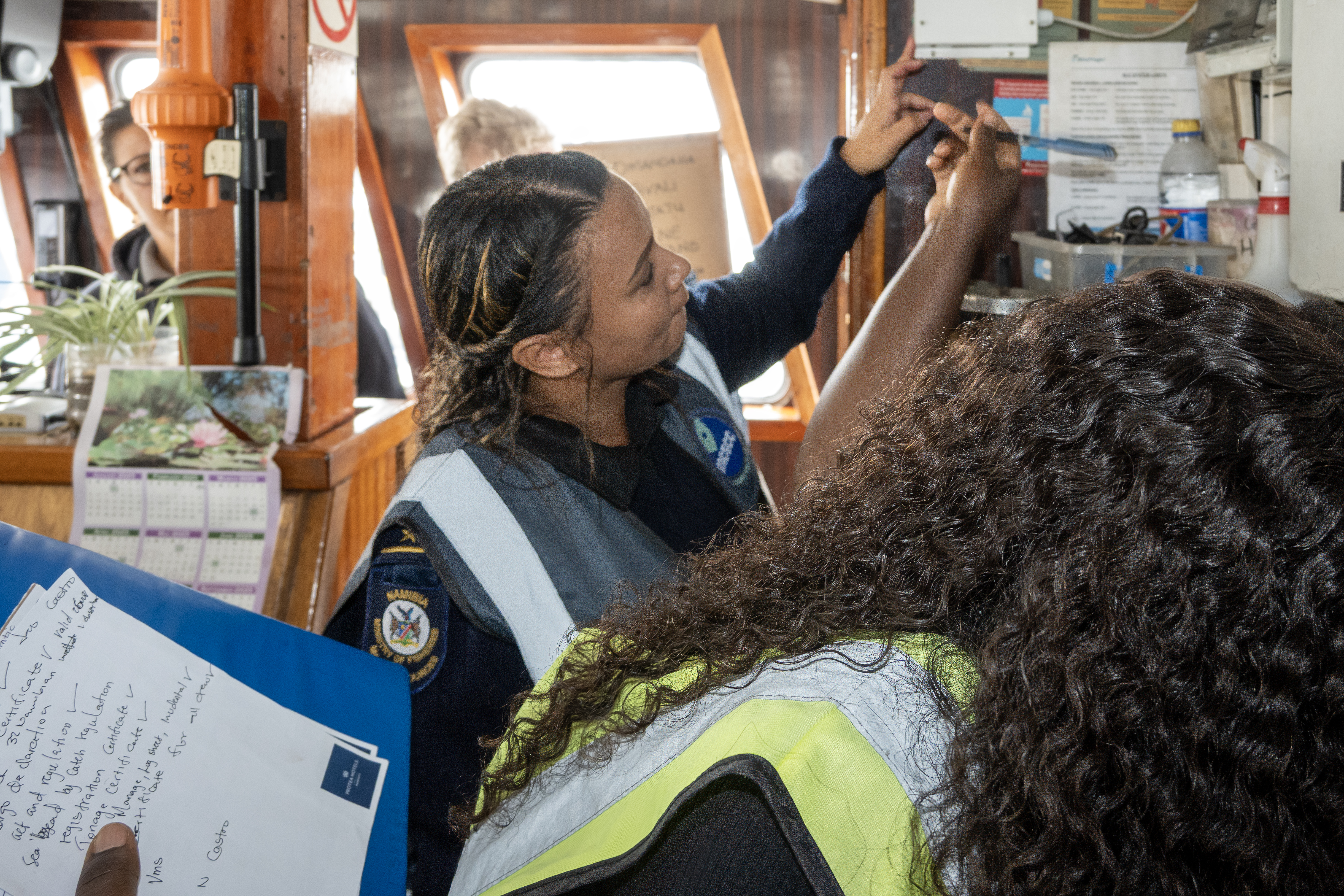
The meeting brought together Member States, partners, and observers to review progress, address ongoing challenges, and strengthen regional cooperation in the fight against illegal, unreported and unregulated (IUU) fishing.
OTF4 Chair, Thanduxolo Ntshangase and OTF focal point for South Africa, shared his opening remarks encouraging active participation and collaboration “I urge you all to engage actively, share your insights, and contribute wholeheartedly to our discussions. By working collaboratively and focusing on practical outcomes, we can ensure that this Fourth meeting brings us closer to realising our shared vision – a future where responsible and sustainable fisheries thrive, enhancing food security, creating economic opportunities, and reducing poverty across the SADC region.”
During the meeting, Lilian R. Nyashanu from the SADC Secretariat provided an update on the progress of the MCSCC. While notable achievements have been made, several key challenges remain, including financial sustainability, staffing and capacity gaps, and the need for stronger coordination among Member States.
Looking ahead, priorities include finalising Board renewals, strengthening the MCSCC Secretariat, and mobilising resources. Emphasis was also placed on enhancing regional cooperation and improving information-sharing mechanisms.
Despite these challenges, the MCSCC continues to play a critical role in strengthening fisheries governance, combating IUU fishing, and advancing the blue economy in the SADC region.
The MCSCC Secretariat highlighted the importance of its communication platform, Basecamp, as a key tool for regional cooperation. The platform facilitates information sharing, supports capacity building, and enhances engagement among Member States. To further strengthen collaboration, the Secretariat recommended the development and adoption of a Code of Conduct to guide engagement and participation on the platform and within the Task Force.
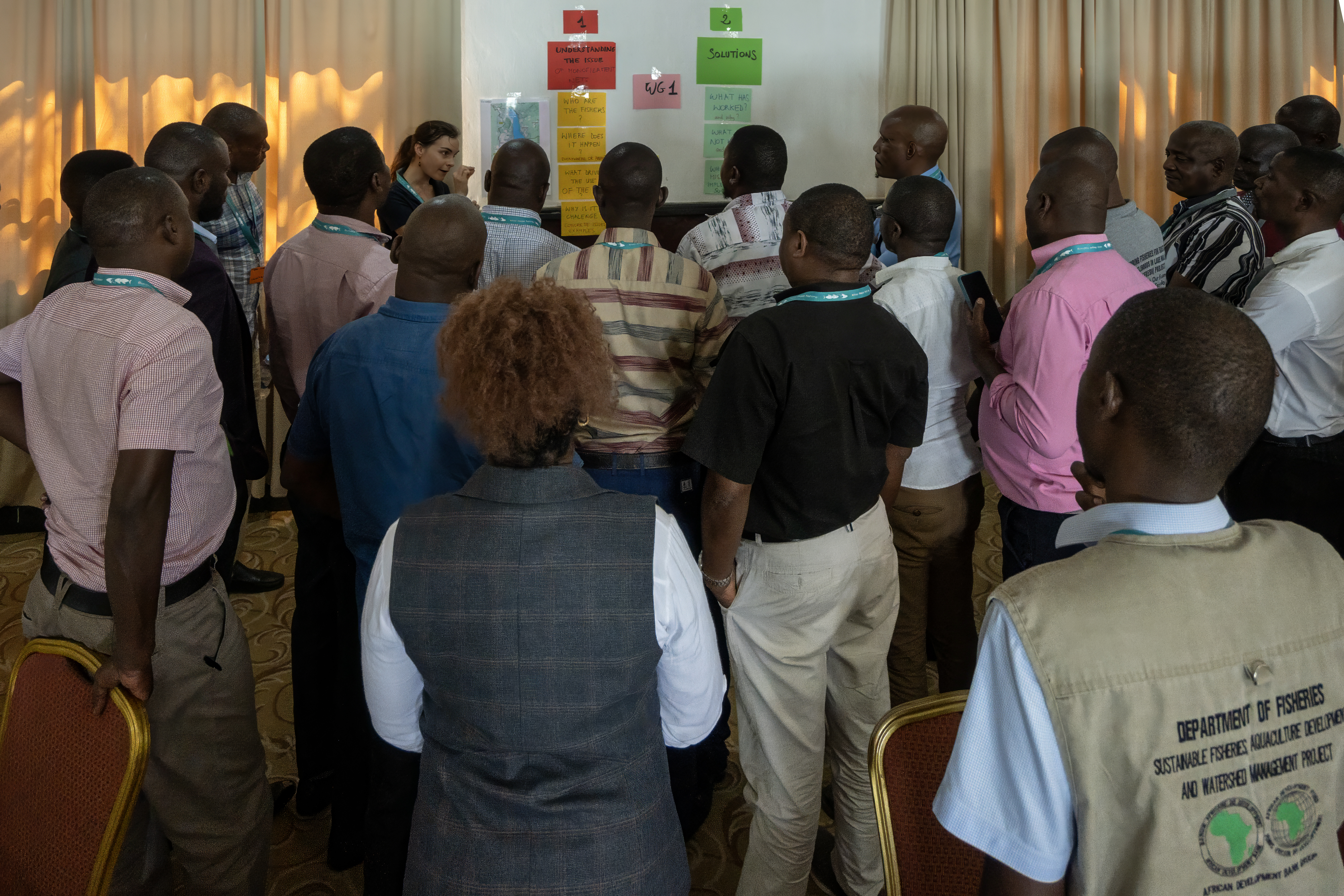
A key area of discussion during the meeting was the use and impact of monofilament nets. Member States and partners engaged in in-depth discussions on strategies to address this challenge, including considerations around strengthening regulations and supporting efforts towards banning the use of such nets, which pose a significant threat to fisheries resources.
The fourth OTF meeting also benefited from the participation of observers, including representatives from the Fisheries Committee for the West Central Gulf of Guinea (FCWC) and the Southwest Indian Ocean Fisheries Commission (SWIOFC). Their contributions enriched discussions and strengthened regional collaboration and knowledge exchange.
The meeting concluded with renewed commitment from Member States and partners to strengthen cooperation, address existing challenges, and advance the work of the MCSCC in promoting sustainable fisheries and regional development.